Item Report
Edo Period Japanese Iron and Lacquered Samurai Armor (Yoroi)
By: Unknown, typical of armor workshops serving Daimyo families
Style: Edo Period Japanese Samurai Armor
Origin: Japan
Materials: Iron, lacquer, leather, silk (cord), cotton (cord)
Age: circa 18th-19th century (Edo Period, 1603–1868)
Condition: Very Good (minor wear, cords intact, lacquer mostly intact, visually complete; not professionally conserved)
Value: $18,000 - $35,000 (auction estimate, depending on completeness, condition and provenance)
Maker's Marks / Writing: No visible makers marks or inscriptions in the provided image; many Edo armors are unsigned but may include hidden signatures under shoulder plates or armor lames.
Date: 2025-06-28 23:09:23.331911
Description:
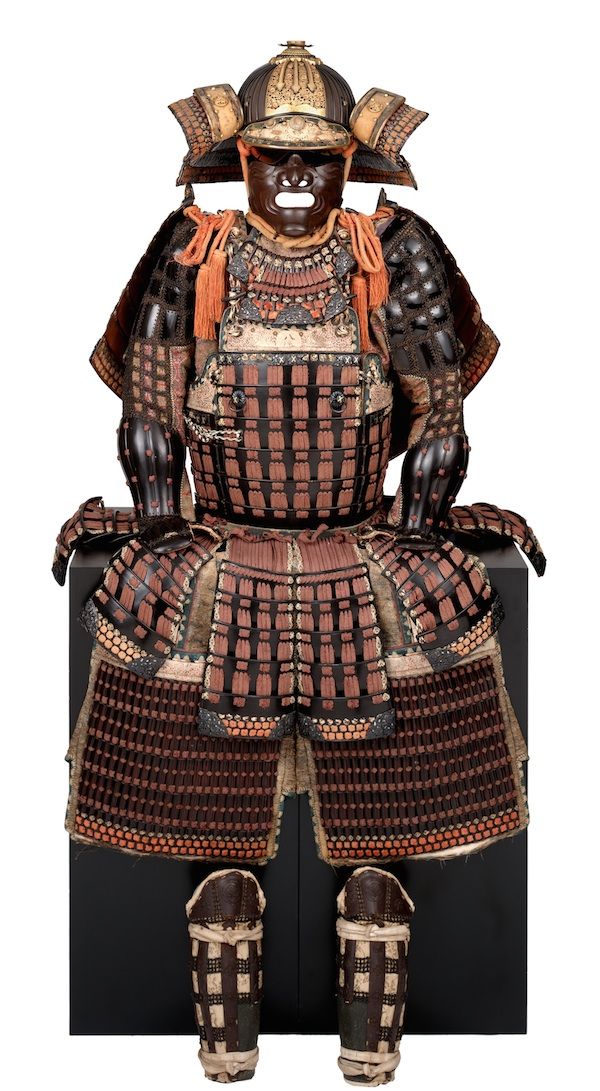
A complete suit of Japanese Samurai armor, known as 'yoroi,' dating from the Edo Period (17th-19th century). The armor consists of iron and leather scales (kozane), laced together with silk or cotton cord in an intricate pattern, and features lacquered sections to protect against humidity. The suit includes a kabuto (helmet) with protruding fukigaeshi (wing-like flaps), a menpo (face mask) with fierce expression, a do (breastplate), sode (shoulder guards), kusazuri (skirt-like tassets), kote (armored sleeves), and suneate (shin guards). The orange and black silk cords, lacquered plating, and refined construction are typical of high-status samurai armor from the late Edo era.
Curator Questions
Curated by Jade
Assessment:
An authentic-looking, well-preserved suit of Edo Period samurai armor with rich original materials, extensive traditional construction, and excellent textile lacing. The ornate kabuto and expressive menpo suggest this was crafted for a samurai of notable status. Condition and completeness significantly enhance its desirability. A word about fakes: Japanese armor is widely reproduced—this example shows appropriate patina, correct period construction and balanced proportions, supporting authenticity, though only an in-person examination can confirm materials and aged assembly.
Individual Images:
- Single full-frontal image; details visible include the helmet crest (maedate)
- lacing pattern
- menpo facial structure
- and even wear across lacquer. The cords appear original and have moderate fading
- consistent with age. No glaring restoration or replacement parts visible in this image
- though a close examination of joints and interior would be needed to rule out repairs.
Provenance:
No provenance documentation visible in this image.
Condition:
Very Good (minor wear, cords intact, lacquer mostly intact, visually complete; not professionally conserved)
Identification Score: 98%
The overall form, materials, and construction details including helmet shape, face mask, and scale armor match Edo Period samurai armor, a well-documented category. The presence of correct multi-part assembly (kabuto, menpo, do, sode, kusazuri, kote, suneate) and period-authentic color lacing support a high degree of confidence.
Authenticity Score: 85%
The armor displays proper patina, wear, correct materials and traditional lacings, which indicate age and potentially authentic Edo manufacture. However, due to a healthy market in modern reproductions, a final determination would require hands-on inspection for construction technique, lacquer aging, and textile fiber analysis. No obvious signs of modern manufacturing are visible, and overall craftsmanship appears period appropriate.
Image Memory Note
The image depicts a complete Japanese samurai armor (yoroi) viewed seated as on display. Components visible: kabuto (helmet) topped with a small central crest (maedate), fukigaeshi (wing-like helmet flaps) with textile lining, menpo (face mask) with fierce expression, layered/laced do (cuirass/breastplate), large sode (shoulder guards), multi-lame kusazuri (tassets) and haidate (thigh guards), kote (arms), and suneate (shin guards) with textile wrap. Cord lacing alternates orange and black. Lacquer is deep brown/black with age-consistent patina and minor wear. Padding/lacing appears moderately faded but not frayed. No visible cracks or major restoration; structure is sound. No writing, makers’ marks, or inscriptions visible in this frontal image, and no provenance documentation included.
Keywords
Edo Period, Japanese armor, Yoroi, Samurai, Iron, Lacquer, Japan, Kabuto, Menpo, Edo, Antiques
Comparables (Similar Items)
No archived comparables matched this report yet.
Share: