

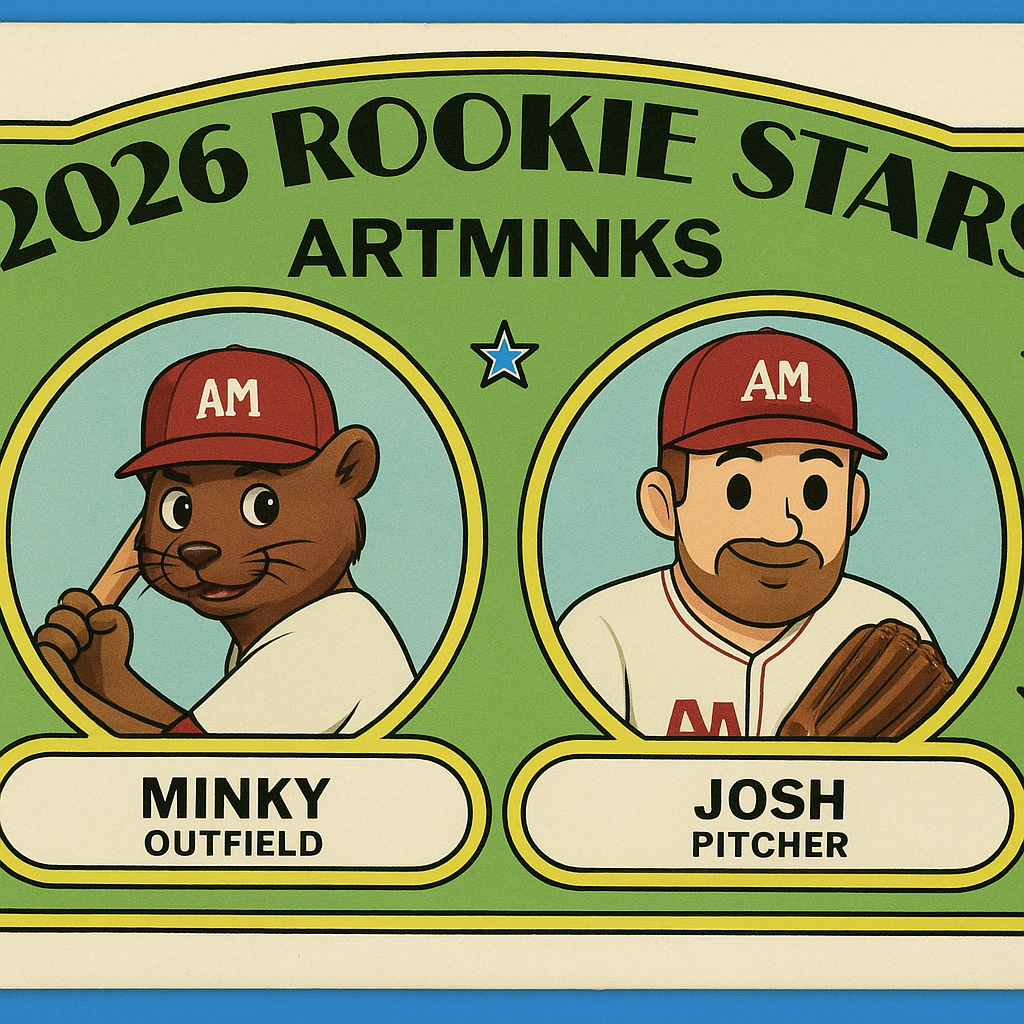
Alright, collectors, let's talk brass tacks about baseball cards. For decades, these little pieces of cardboard have been more than just collectibles; they're snapshots of history, tangible links to the legends who shaped America's pastime. From the crack of the bat to the roar of the crowd, a great card captures that magic, and understanding their journey is key to navigating the wild world of collecting.
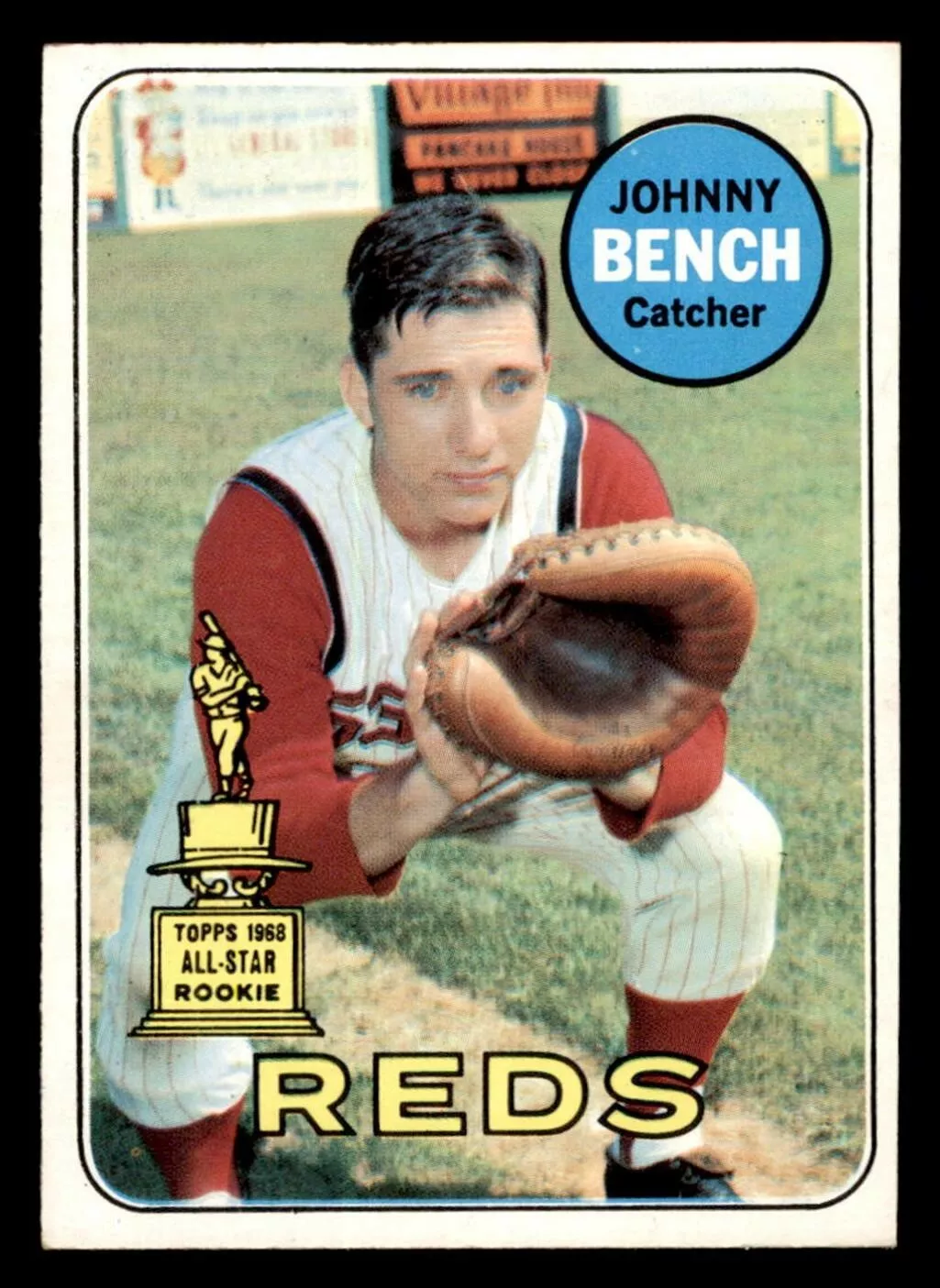
The story of baseball cards kicks off way back in the post-Civil War era. The earliest known card? A team photograph of the 1865 Brooklyn Atlantics. But the real game-changer came in the 1880s when tobacco companies like Allen & Ginter and Goodwin & Co. started tucking stiff cardboard cards into cigarette packages. These weren't just ads; they were mini-portraits of the era's heroes, designed to protect the tobacco and, in doing so, ignited a collecting craze.
Then came the big one: the T206 set from the American Tobacco Company, released between 1909 and 1911. Often called "The Monster" for its massive 524-player roster, this set is legendary. And at its heart? The Honus Wagner card. As the "Baseball Cards Overview" notes, it's "known as the 'Holy Grail' of baseball cards." Invaluable.com even calls it "the 'Mona Lisa' of the baseball card industry." Its rarity and the story behind its limited production make it one of the most coveted pieces of cardboard ever printed.
As the tobacco era faded, the sweet scent of bubble gum took over. The 1930s saw companies like Goudey Gum step up to the plate, releasing popular sets that featured icons like Babe Ruth and Lou Gehrig. These cards became a staple for kids across the country, cementing their place in American culture. Production hit a snag during World War II due to rationing, but the hobby bounced back stronger than ever, setting the stage for a new titan.
In 1951, Topps, a chewing gum company, entered the market and quickly became the undisputed heavyweight champion. They bought out their main competitor, Bowman, by the early 1960s, establishing a near-monopoly that lasted for decades. Topps revolutionized card design, and their 1952 set is still a benchmark. The 1980s brought another seismic shift: the "rookie card" concept exploded. As the "Baseball Cards Overview" states, "The concept of the 'rookie card' became the holy grail for collectors," driving demand through the roof.
But every boom has its bust. The late 1980s and early 1990s saw card companies massively overproduce sets, flooding the market. This led to the infamous "Junk Wax" era, where millions of cards lost their value faster than a pop fly in a hurricane. It was a tough lesson for collectors. Thankfully, companies like Upper Deck, which launched in 1989, helped save the industry by focusing on premium card stock, rare parallels, game-used jersey patches, and authenticated autographs, bringing quality back to the forefront.
So, what's the play for today's collector? Quality over quantity, every single time. And that brings us to grading. Services like Professional Sports Authenticator (PSA) and Sportscard Guaranty (SGC) are the umpires of the hobby, evaluating and encapsulating cards to provide a universal condition scale. Yes, grading can be expensive, but for significant cards, it's often a non-negotiable investment that cements authenticity and value. As for cards made after the 1970s, the `blog_user_notes` are spot on: they generally hold less appeal unless they're truly rare, feature a significant player milestone, or boast those coveted autographs and game-used relics.
The market is always evolving, with new dynamics like MLB's licensing deal with Fanatics shaking things up. But the core thrill remains: finding that perfect card, whether it's a vintage legend or a modern rarity. Stay sharp, do your homework, and chase the cards that truly speak to you. And that's the inside baseball from Artmink!