

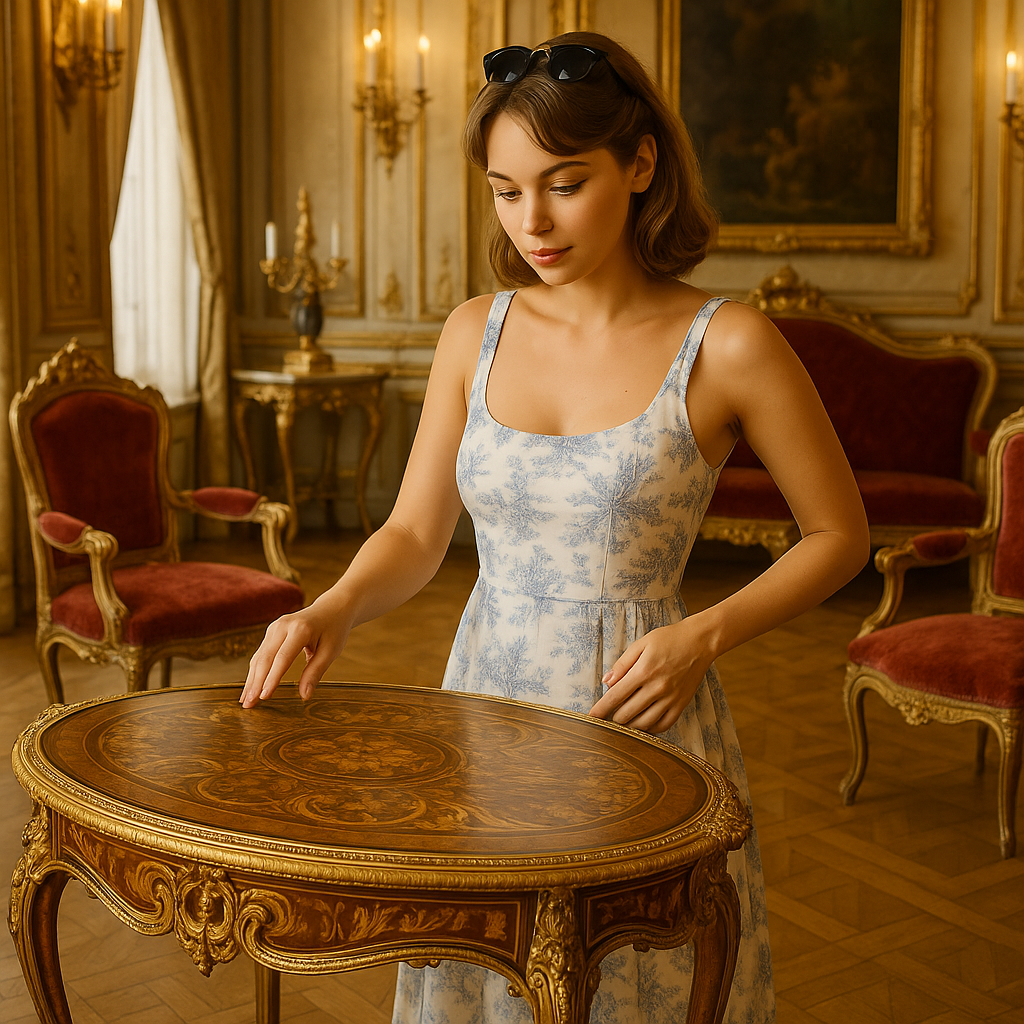
In the sophisticated realm of fine and decorative arts, few styles captivate collectors quite like the elegance of the French Louis XV period. With its rococo flourish, intricate marquetry, and gilded embellishments, authentic Louis XV furniture represents the zenith of aristocratic taste. Yet, as history would have it, the allure of this style did not fade with time; rather, it resurfaced in the mid-20th century, manifesting in revival pieces that echo the grandeur of their predecessors.
Rooted in the 18th century, the Louis XV style is characterized by ornate and asymmetrical designs. Each piece showcases flowing curves, bombe contours, and elaborate carvings, reflecting craftsmanship that reached artistic heights. Artisans of the time dedicated themselves to creating furniture that was not only functional but also a feast for the eyes. However, the mid-20th century spurred a cultural renaissance, as post-war consumers, yearning for elegance and sophistication in their homes, turned to the past for inspiration—ushering in a revival of historical furniture styles.
This renewed interest was not merely an aesthetic choice; it was also a response to the changing landscape of interior design. The burgeoning profession of interior design played a significant role in this revival. Designers, looking to meld classical styles with contemporary sensibilities, found the Louis XV aesthetic—with its romantic and exuberant decorative motifs—to be the perfect canvas for this cross-temporal experimentation.
The surge in demand for Louis XV revival pieces from the 1950s through the 1970s coincided with advances in production techniques. Unlike their antique counterparts, these revival pieces often featured more uniform finishes and standardized ornamentation. Thanks to modern materials, the mass production of these opulent styles became feasible, thus democratizing what was once an exclusive luxury reserved for the elite. The grandeur previously accessible only to royals became available to a broader market, allowing more aficionados to experience the opulence of this exquisite style.
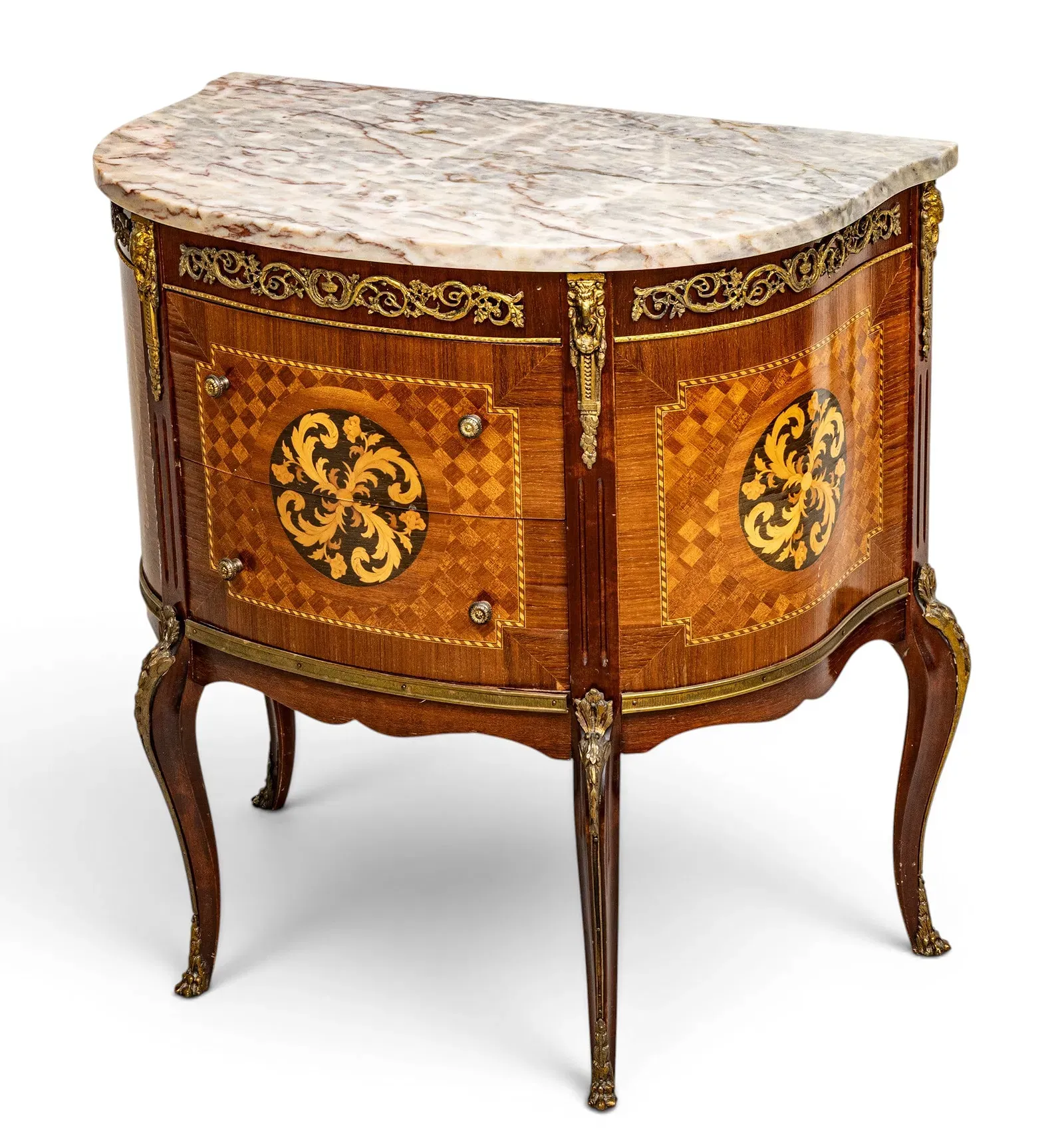
An exemplary revival piece is the French Louis XV Style Marquetry Marble-Top Commode. While it mimics the serpentine silhouettes and floral marquetry characteristic of the original period, its construction reveals its mid-century origins. The consistency of its finish and hardware suggests contemporary manufacturing methods far removed from the handcrafted artistry of the 1700s. As a curator noted, the commode showcases "good visual impact and competent veneered marquetry," yet it lacks the depth of history that 18th-century originals possess.
For collectors today, navigating the intricacies of evaluating such pieces is pivotal. Authenticity lies not solely in appearance, but in the details—understanding the intricacy of marquetry, the peculiarities of craftsmanship, and the quality of materials at play is essential. Furthermore, while these revival pieces may lack the historical significance of their older counterparts, they carry their own value, contributing richly to craftsmanship and design history. As one collector's question points out, assessing the quality of marquetry involves looking at the precision of inlays and the wood variety used, with signs of aging further indicating authenticity.
An understanding of market trends and historical context enhances any collector's appreciation for both antique and revival furniture. The Louis XV revival of the mid-20th century stands as a testament to the enduring appeal of a timeless artistic style, perfectly illustrating how past elegance continues to influence present tastes. As the years go by, the revival pieces may not hold the same legendary status as their original inspirations, but they remain cherished artifacts of a golden era of design—and a splendid reminder of our ever-evolving tastes in home decor.
French specialist Monique reporting!