
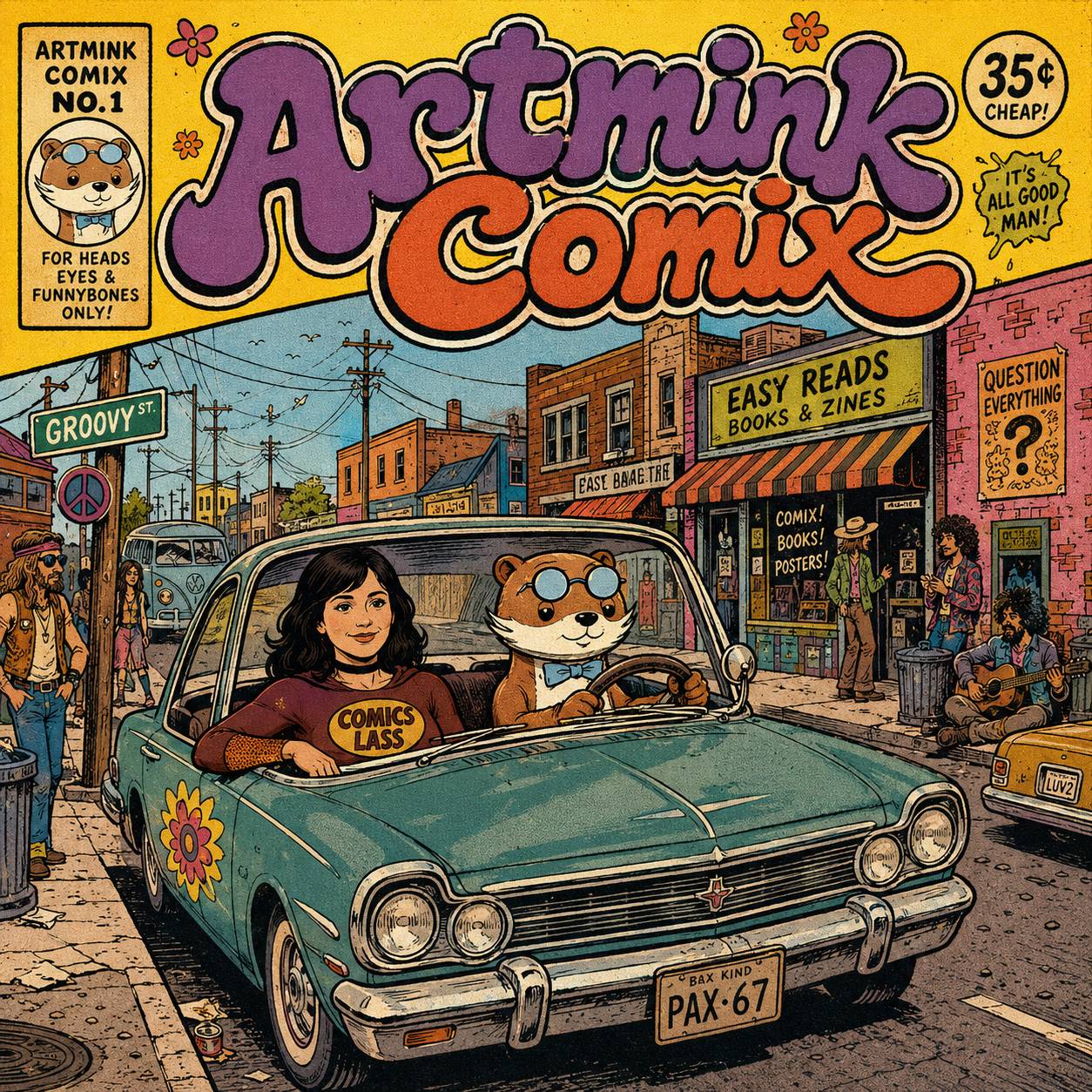
Alright, fellow comics aficionados , let's talk about a truly wild chapter in the history of of sequential art: American Underground Comix, that unruly, satirical, and downright taboo-breaking genre of the late 1960s and early 1970s. Underground comics were inextricably tied to the counter-cultural movement of the time, but the movement's roots can be traced back to the establishment of the infamous Comics Code Authority. Established in 1954, the CCA clamped down hard on mainstream comics, banning everything from "terror" in titles to depictions of sex, drugs, and even corrupt authority figures.
As River H. Kero writes for Book Riot, the underground comix movement "emerged as a direct response to censorship and mainstream publishing limits, giving artists a space to create small-press comics that were rude, satirical, political, sexual, and deeply tied to the counterculture of the 1960s and 1970s." Artists were left with a choice: conform or resist. And resist they did, creating a vibrant, uncensored alternative.
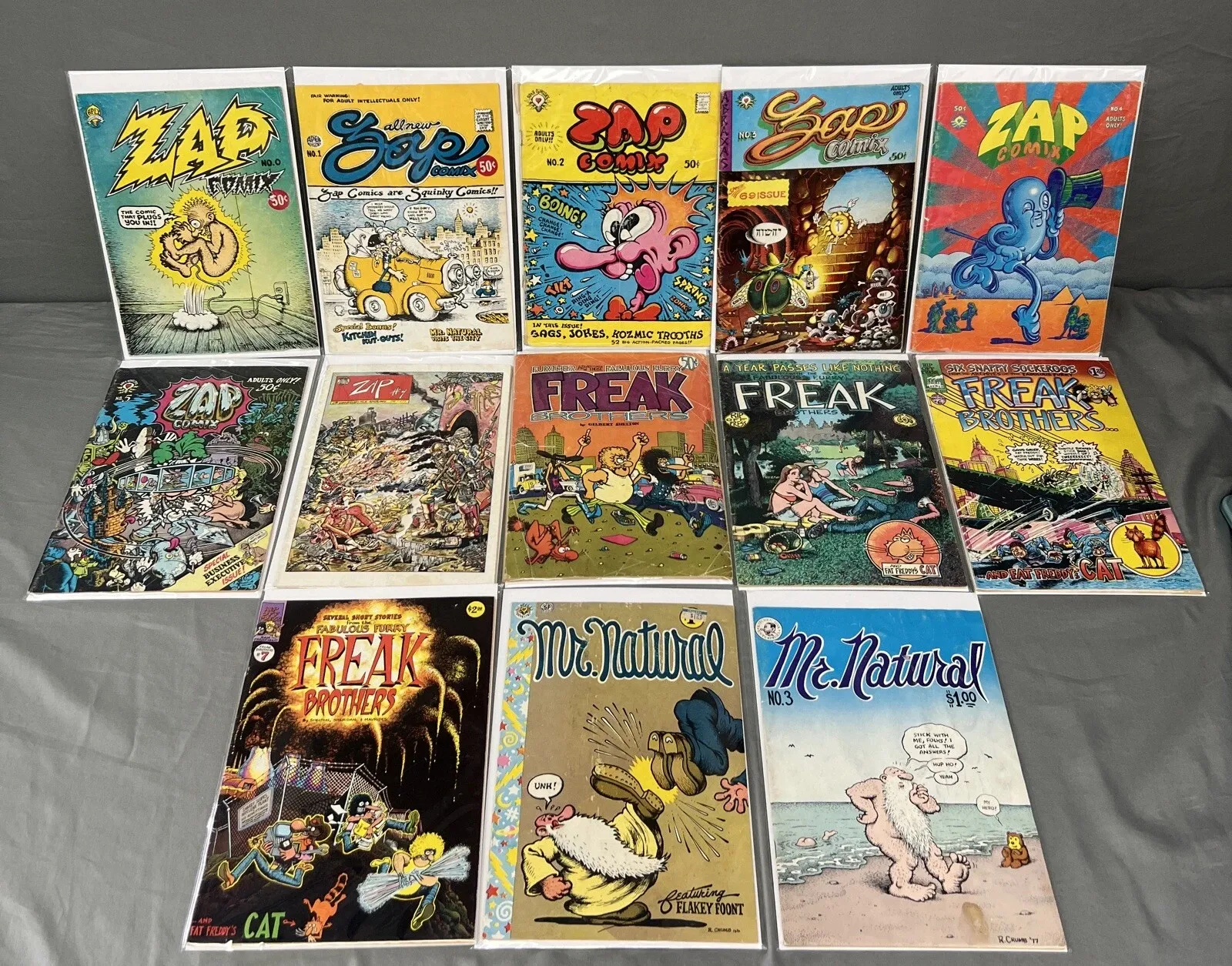
Leading the charge was the inimitable R. Crumb, often hailed as the pioneer of the underground comix movement. His iconic *Zap Comix*, first published in 1968, is widely considered the movement's launchpad. Imagine the buzz when *Zap Comix #0* surfaced! Originally drawn before *Zap #1* but lost, its rediscovery and subsequent publication was a true "time capsule of Crumb's raw vision," featuring the bold 'Adults Only' warning right on the cover. These early issues, published by trailblazers like Apex Novelties, are the bedrock of any serious underground collection.
But Crumb wasn't alone in this counter-cultural crusade. Gilbert Shelton gave us the hilarious, stoner-centric *The Fabulous Furry Freak Brothers*. These comics, published by influential outfits like Rip Off Press, were pure satirical gold, using humor to skewer societal norms and reflect the psychedelic culture of the era. You'd find titles like 'A Year Passes Like Nothing with the Fabulous Furry Freak Brothers' or 'Six Snappy Sockeroos from the Archives of the Fabulous Furry Freak Brothers,' alongside Crumb's Mr. Natural. These weren't sold at your local drugstore; they were distributed through alternative channels like head shops and independent bookstores, adding to their mystique and making them true artifacts of their time.
The underground comix movement wasn't destined to last forever. Shifting cultural tides and stricter obscenity laws in the mid-1970s led to its decline. The 1973 Supreme Court decision in Miller v. California shifted obscenity law by allowing local communities to set their own standards for what was considered unlawful or objectionable. Since underground comix were intentionally provocative and X-rated, retailers across the country faced the risk of obscenity arrests and fines..
But its legacy? Absolutely undeniable. Underground comix proved that comics could be a vehicle for serious artistic expression, political commentary, and unfiltered personal narratives. They paved the way for the alternative and indie comics scenes of today, influencing generations of creators to push boundaries and tell stories outside the mainstream.
Collector Tips For collectors, diving into underground comix means appreciating their historical weight as much as their artistic merit. But as always, condition is key. If a book for sale online is not officially graded, you are assessing condition on the basis of photos alone, so you will need to see more than just the front cover. Many collectors will tolerate some edge and spine wear and dog-eared pages, after all, these comics were printed on cheap newsprint, made to be read while stoned, passed around, and otherwise man-handled. So, finding them in pristine shape is rare. Descriptions like 'notable cover wear, creasing, edge wear, spine stress, foxing/soiling, and at least one visible stain,' is pretty common. While a little wear tells a story, significant damage, like a coffee ring on the cover of a *Mr. Natural*, can impact value.
A first printing can fetch significantly more than a later reprint, but here you have to be careful. Many supposed first issues are reprints. To tell the difference, scrutinize the indicia, that fine print on the inside cover, for a publication date. The cover price is also telling, as early issues often had cover prices like 50¢ or 60¢, which changed over time to $1.00 or $1.25. Many collectors are okay with reprints, as they are significantly cheaper than original. After all, some folks just want to read these kaleidoscopic gem, while they explore this important art form while pondering the enduring question "How long has that van been parked there?"
So sayeth Comics Lass!