

In the mid-1970s, the comic industry saw a notable resurgence with Atlas Comics, a name steeped in history due to its earlier incarnation as a precursor to Marvel. Launched by Martin Goodman under Seaboard Periodicals, this new Atlas aimed to disrupt the dominance of Marvel and DC Comics in the marketplace.
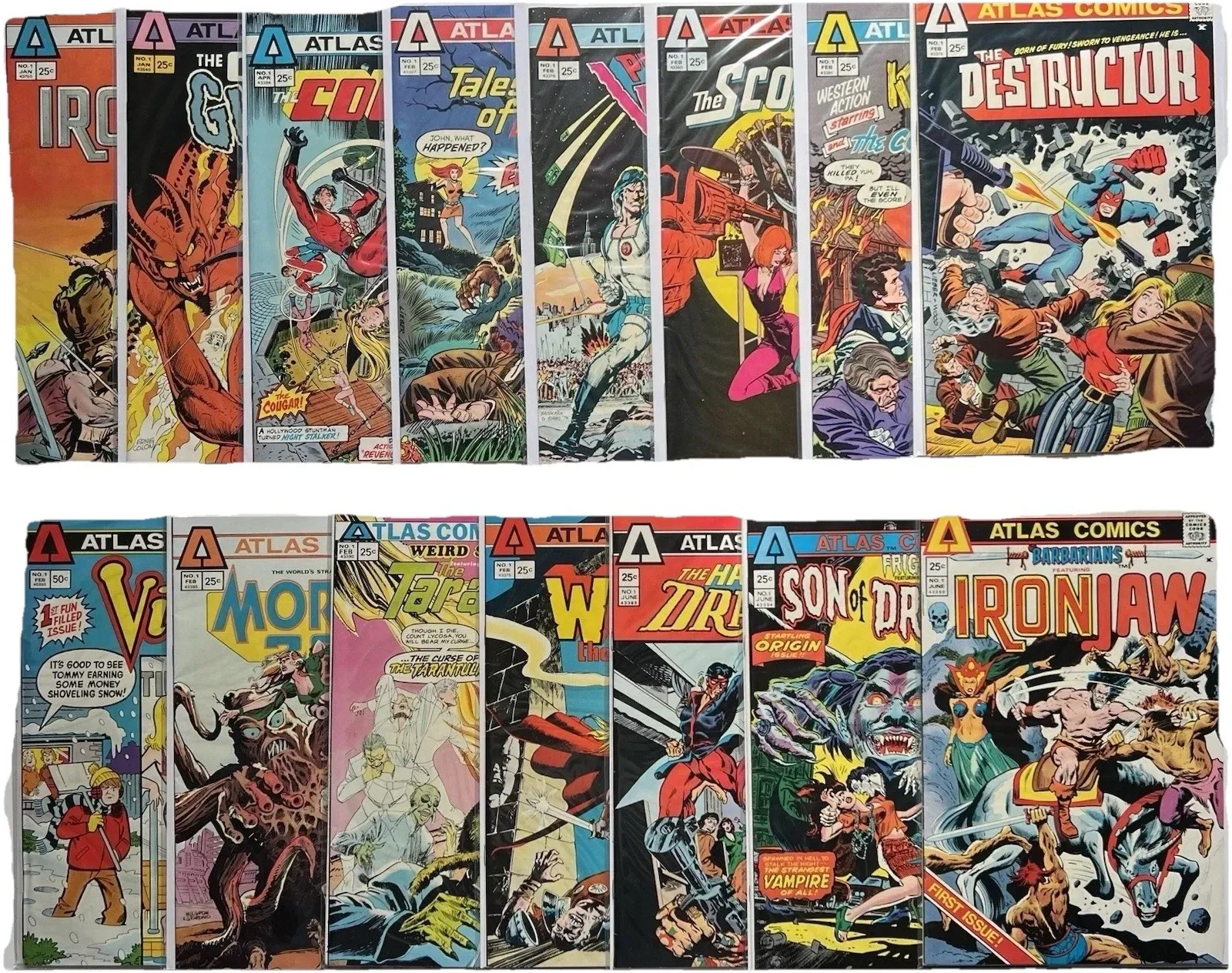
Goodman had established the original Atlas brand in the 1950s, which eventually evolved into Marvel Comics. In 1974, after parting ways with Marvel, Goodman sought to revive the Atlas name as a direct challenge to the established giants. This venture included first issues like 'Ironjaw,' 'The Grim Ghost,' and 'Morlock 2001,' showcasing genres that offered a mix of sword-and-sorcery and horror themes.
Despite assembling a talented roster of creators—many of whom became legends, including Neal Adams and Steve Ditko—Atlas Comics struggled with fundamental business challenges. Goodman's strategy to lure top-tier talent with generous financial incentives and creator-friendly terms was innovative but put a strain on the nascent company’s finances. Offers included high page rates and the return of original artwork, which were revolutionary at the time.
However, distribution issues and inconsistent editorial decisions soon clouded the operation. Editors Jeff Rovin and Larry Lieber faced challenges due to mismatched roles, leading to a lack of coherence in storylines and creative direction. This inconsistency hampered Atlas Comics from gaining a solid foothold in a market already shaped by Marvel and DC.
The ambitious efforts to establish a “revenge” narrative against Marvel for sidelining Goodman’s son, Chip, ultimately fell flat. By late 1975, Atlas Comics shuttered operations, leaving behind a brief catalog where no title exceeded four issues.
While the revival may not have achieved its goals, the impact of Atlas/Seaboard Comics remains significant for its commitment to creator rights and its attempt to delineate itself in the crowded comic landscape. For collectors, these titles hold niche appeal, emblematic of a bold experimental era in comics. In today's market, Atlas/Seaboard Comics may be less known but continue to represent an intriguing chapter in the history of comic publishing. Comics Lass has spoken.