There's a certain magic to the clang and flash of a vintage pinball machine, isn't there? It's more than just a game; it's a kinetic sculpture, a symphony of lights and sounds that transports you straight back to the arcade's golden age. But who keeps these mechanical marvels alive and kicking? It's the dedicated 'Pinball Wizards' – the collectors and operators who pour their passion into preserving these iconic pieces of pop culture. They're not just hoarding; they're curating, maintaining, and sharing a vibrant slice of American entertainment history.
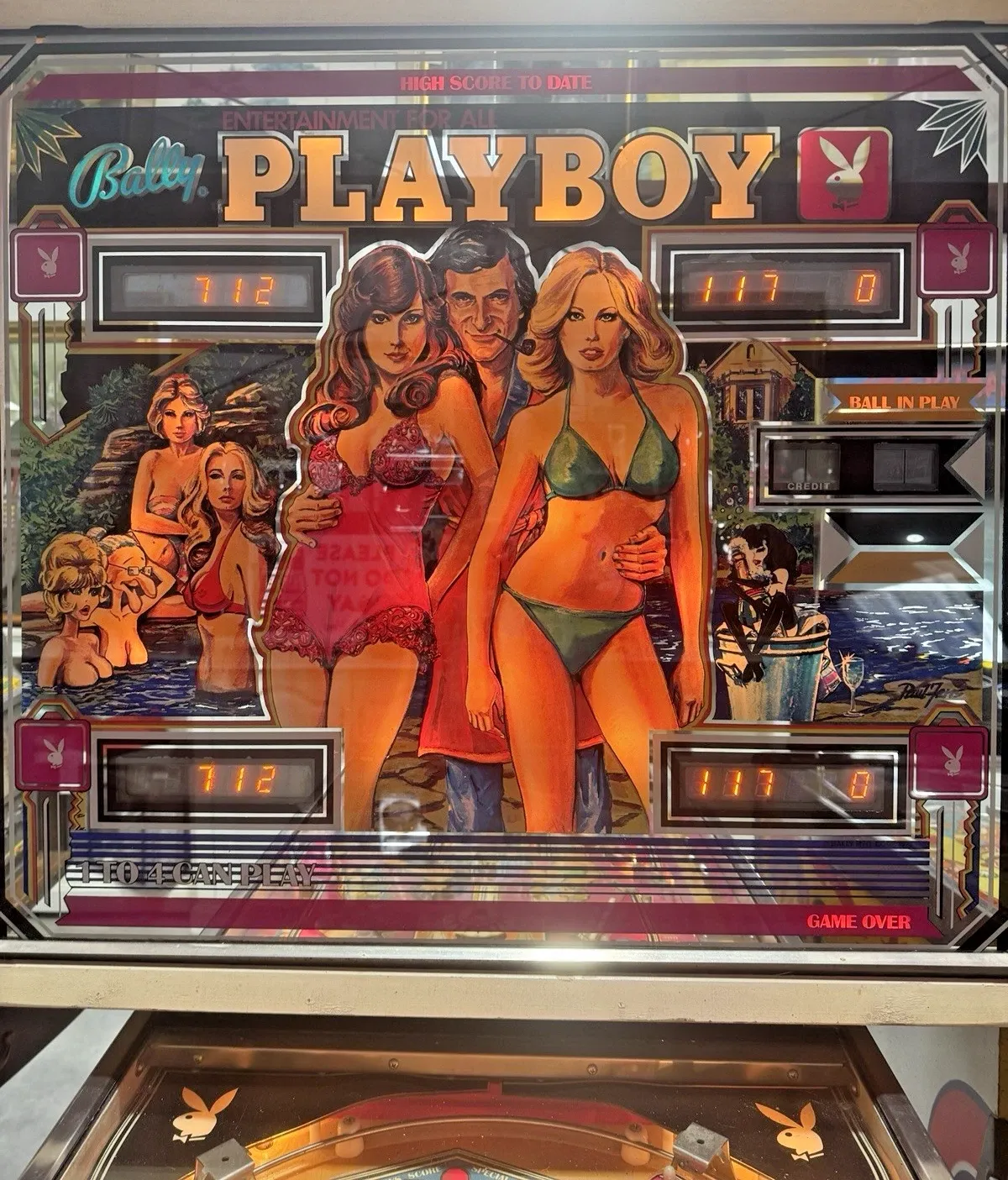
Our journey into this world often begins with a pivotal moment in pinball history: the late 1970s. This was when the industry made its grand leap from the charmingly clunky electro-mechanical systems to the sleek, responsive solid-state era. Take the 1978 Bally Playboy pinball machine, for instance. It's a prime example of this technological shift, moving from those old-fashioned, clacking digit counters to illuminated digital scoring displays. As the Artmink AI noted in a chat, "Pinball made the leap from mechanical score reels to electronic digital displays in the mid‑1970s, with 1977–1979 being the real tipping point." Bally, along with other giants like Williams, ushered in this new wave, transforming gameplay and setting the stage for the complex machines we know today. This particular Bally Playboy, with its original art and period hardware, stands as a testament to that exciting transition, even with its honest-used condition showing cabinet scuffs and playfield aging.
One such wizard is Kelley Daniel, the visionary behind The Pinball Palace in Brunswick, Georgia. What started with a single Pac-Man machine at home, and a gentle nudge from his wife to find them a new home, blossomed into a world-renowned destination. Opening its doors in October 2017 with about 30 machines, The Pinball Palace now boasts over 120 playable pinball games, making it the largest collection in the Southeast. As Doy Cave writes for georgiasouthern.edu, Daniel's collection is a "pop-culture time capsule," featuring themes that span generations: from rock legends like Led Zeppelin, KISS, and Primus, to beloved TV shows such as "Star Trek," "The Munsters," and "The Walking Dead," and even classic films like "Dirty Harry" and "The Terminator." Visitors from every U.S. state and dozens of countries flock to experience this living museum, a testament to Daniel's meticulous care. He understands the challenge, stating, "There are thousands of components to these things, so they can be a nightmare to fix."
Then there's Rob Burke, the Guinness World Record holder for the most pinball machines. His passion ignited in college, where, as he recounts in a Guinness World Records YouTube video, "there was no video games, it was all pinball and I became a pinball nut." He found his heroes in the designers and artists who crafted these games. Burke's journey to amass his staggering collection began with running ads in trade publications, leading him to warehouses brimming with machines. He recalls buying 40 from one guy, then 20 from another, and even another 40 from a warehouse with "about 400 games." His collection now exceeds 600 machines, a truly mind-boggling feat.
Burke's collection isn't just about quantity; it's about diversity and the sheer joy of discovery. He showcases rare international titles from Australia, Spain, Italy, and even Japan, many with unique layouts and artwork rarely seen on American soil. He points out a Spanish version of a game called 'Punk,' which was "totally refurbished" by a guy in Italy, featuring a "tweaked out" apron with cut-out skateboarders. He even has a custom-redesigned 'Pokemon' themed machine, originally a 1971 'High Score Pool,' created by a father for his kids. Burke's most expensive acquisition? A pinball machine he paid "12 to 15,000 dollars" for, highlighting the significant investment these collectors make.
These 'Pinball Wizards' share a common ethos: a deep respect for the craft and cultural impact of these machines. They understand that each cabinet, each playfield, each flashing light tells a story of innovation, design, and entertainment. Their efforts go beyond mere ownership; they involve painstaking maintenance, repair, and often, the creation of inviting public spaces where others can share in the joy. This dedication ensures that the intricate mechanics and vibrant artistry of pinball are not lost to time, but continue to inspire awe and friendly competition.
In an age dominated by digital screens, the tactile, mechanical thrill of a pinball machine remains uniquely captivating. Collectors like Kelley Daniel and Rob Burke are more than just enthusiasts; they are custodians of a beloved art form, ensuring that the legacy of pinball endures. They remind us that some of the best experiences are still found in the satisfying thwack of a flipper and the triumphant ding of a high score. Their passion keeps the silver ball rolling for generations to come.
Mid-Century Modern Marilyn reporting!